Unveiling North Korea: A Comprehensive Guide To Understanding The Hermit Kingdom - Despite being shrouded in secrecy, understanding North Korea is crucial for anyone interested in global politics, history, and international relations. This article aims to provide an in-depth exploration of the Hermit Kingdom, covering its history, political system, economy, culture, and current challenges. North Korea boasts one of the largest standing armies in the world, with a strong focus on nuclear and missile development. The military plays a central role in the country's politics and society, serving as both a deterrent and a symbol of national pride.
Despite being shrouded in secrecy, understanding North Korea is crucial for anyone interested in global politics, history, and international relations. This article aims to provide an in-depth exploration of the Hermit Kingdom, covering its history, political system, economy, culture, and current challenges.
Human rights in North Korea are among the most restricted in the world. The regime exerts tight control over freedom of speech, movement, and assembly, with severe penalties for dissent.
International organizations like Human Rights Watch and Amnesty International have repeatedly condemned the human rights situation in North Korea, calling for reforms and accountability.
Key events in North Korean history include the Korean War (1950-1953), which left the peninsula divided along the 38th parallel, and the subsequent decades of isolationist policies. The war, though technically a ceasefire, has never officially ended, contributing to ongoing tensions between North and South Korea.
Life in North Korea is heavily regulated, with citizens subjected to strict rules governing every aspect of their existence. From education to employment, the state plays a dominant role in shaping daily routines.
North Korea, officially known as the Democratic People's Republic of Korea (DPRK), is one of the most enigmatic and isolated countries in the world. For decades, it has captured global attention with its unique political system, strict control over information, and controversial nuclear program. As the world continues to evolve, North Korea remains a fascinating yet mysterious entity.
North Korea's economy is centrally planned and heavily reliant on state-owned enterprises. Despite international sanctions, the country has managed to maintain a basic level of economic activity through trade with allies like China and Russia.
In conclusion, North Korea remains a fascinating and complex nation, shaped by its history, political system, and unique cultural identity. Understanding the realities of life in the Hermit Kingdom requires a nuanced perspective, acknowledging both the challenges and opportunities facing its people.
North Korea operates under a one-party system led by the Workers' Party of Korea (WPK). The country is often described as a totalitarian dictatorship, with the Kim family wielding absolute power over all aspects of governance.
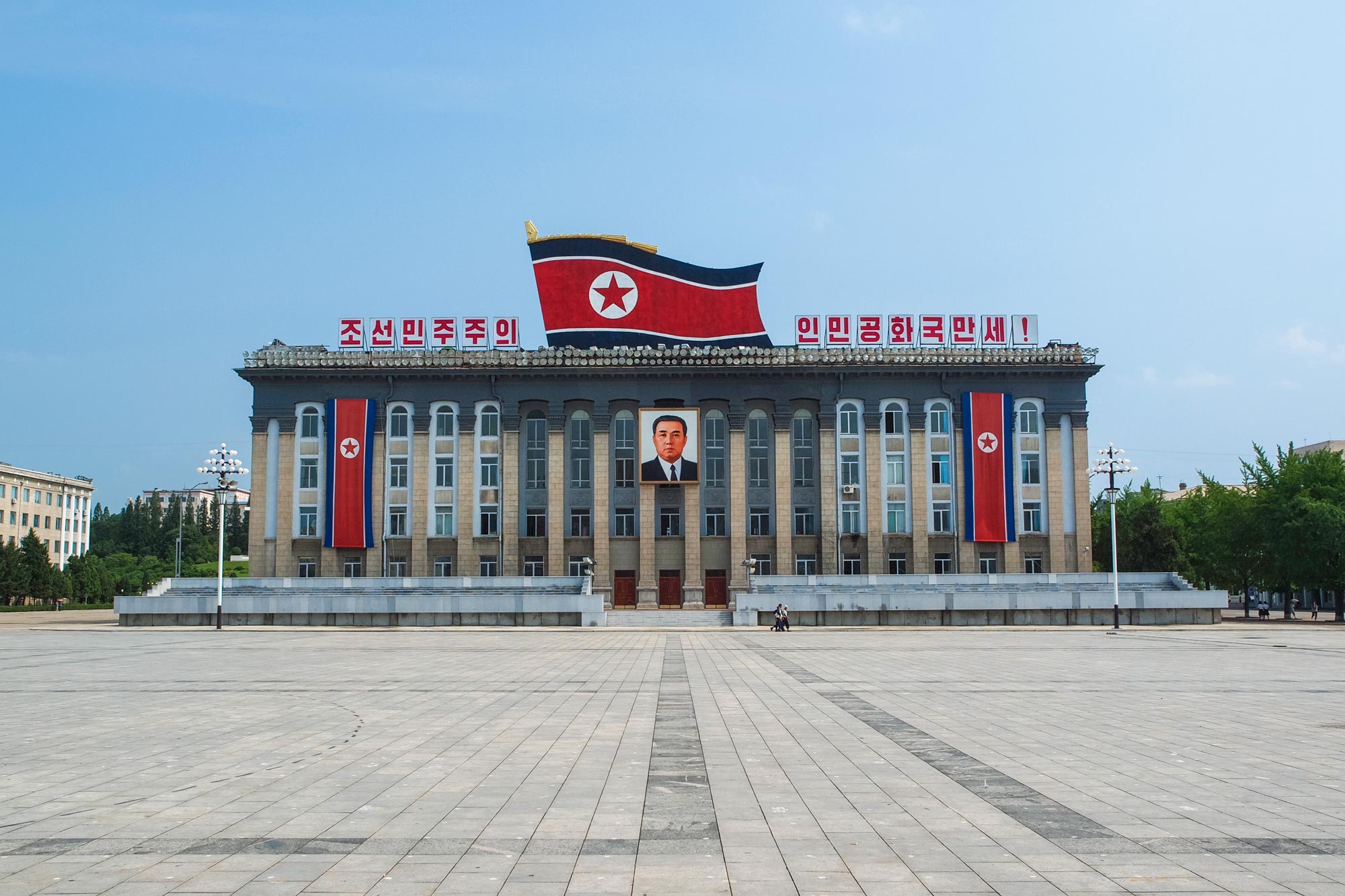
We invite you to share your thoughts and insights in the comments below. For more in-depth analysis of global issues, explore our other articles and stay informed about the latest developments shaping our world today.
North Korea's international relations are complex and often fraught with tension. The country maintains close ties with China and Russia while remaining largely isolated from the West.
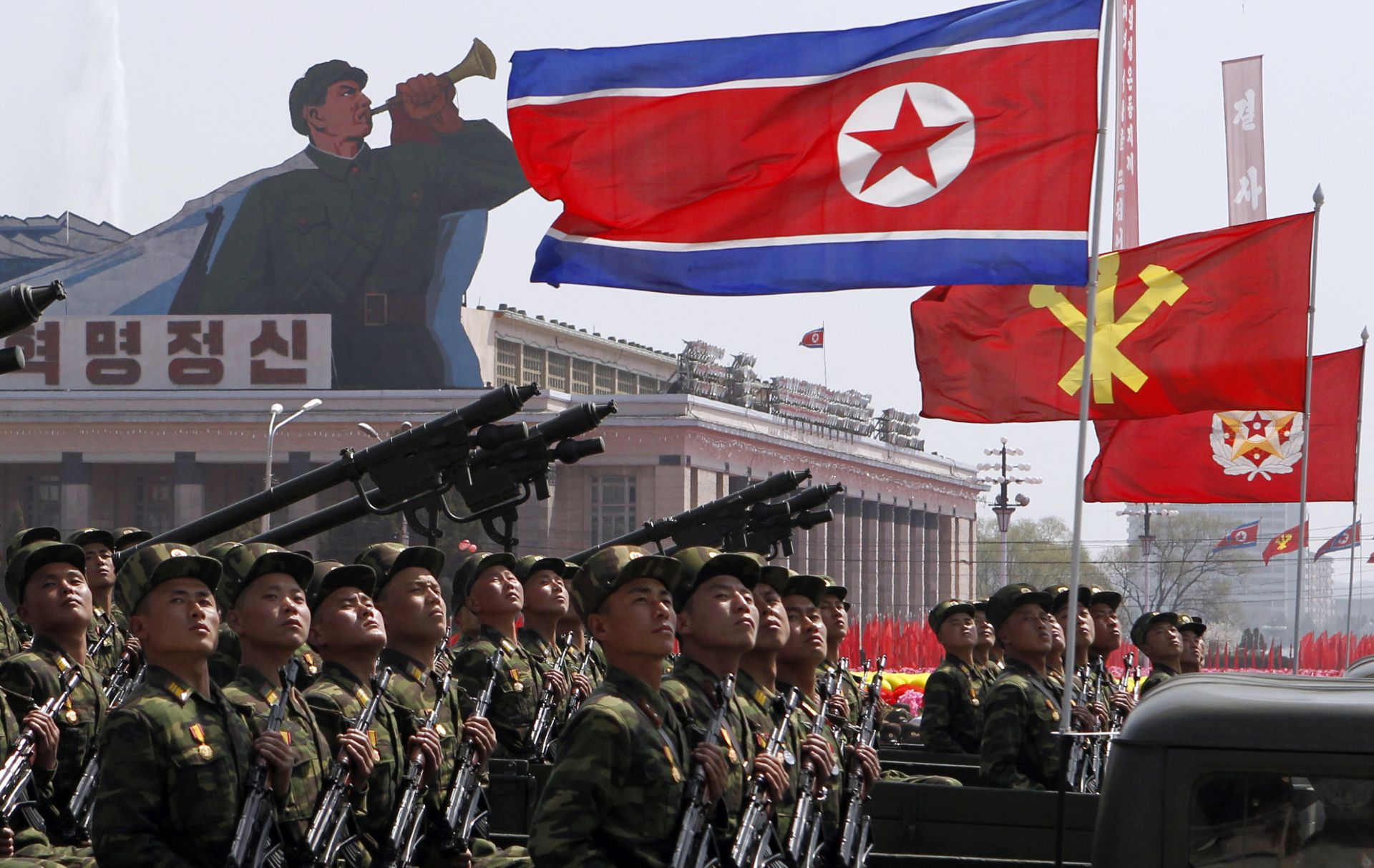
North Korea’s history dates back to the end of World War II when the Korean Peninsula was divided into two zones: the Soviet-backed North and the U.S.-backed South. In 1948, the Democratic People's Republic of Korea was officially established under Kim Il-sung, marking the beginning of a communist regime.